

Luskin Center Research Fellows for 2026-27
The UCLA Luskin Center for History and Policy is pleased to announce its next class of Luskin Fellows for 2026-27. The Luskin Center is one of the first institutions of its kind in the nation to bring together in-depth historical research and cutting-edge policy analysis.
The Luskin Research Fellowships for 2026-27 have been awarded to research teams comprising UCLA faculty, undergraduate and graduate students. Six Research Grantee teams were selected this year from a record number of very strong proposals. These research teams are awarded funds to conduct collaborative research that will bring historical analysis to bear on specific national and international issues of contemporary relevance. The teams are specifically asked to produce historical research and policy analysis that will aim to solve the contemporary issue they have identified.
The winning teams are:
Walking Altadena: A moving monument for Black memory and just recovery
This project reimagines monuments for public memory in a post-disaster context, beyond fixed objects and toward mobile, experiential forms. Together with our community partners, the team will use critical archival research and participatory design to develop community-authored walking tours that engage Altadena’s built and cultural heritage in the wake of the 2025 Eaton Fire. Treating walking as a moving monument as well as meaningful engagement, the project asks how embodied, replicable, community-led interpretation can document Black Altadena, interpret loss and memory, and inform recovery policy.
Read More:
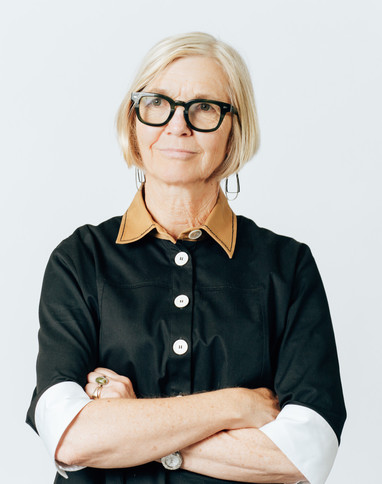
Dana Cuff
Dana Cuff is a professor, author, and practitioner in architecture. Her work focuses on affordable housing, modernism, suburban studies, the politics of place, and the spatial implications of new computer technologies. Cuff’s research on postwar urbanism was published in a book titled The Provisional City (MIT 2000), she edited Fast Forward Urbanism with Roger Sherman (Princeton Architectural Press 2011), coauthored Urban Humanities: New Practices for Reimagining the City with her colleagues from the Urban Humanities Initiative (MIT 2020), and she recently authored Architectures of Spatial Justice (MIT 2023). She founded cityLAB in 2006, and has since concentrated her efforts around issues of spatial justice in the emerging metropolis. Dr. Cuff is widely published, the recipient of numerous fellowships, and lectures internationally. Three recent awards describe the arc of her career: Women in Architecture Activist of the Year (2019, Architectural Record), Researcher of the Year (2019, Architectural Research Centers Consortium), and Educator of the Year (2020, AIALA).
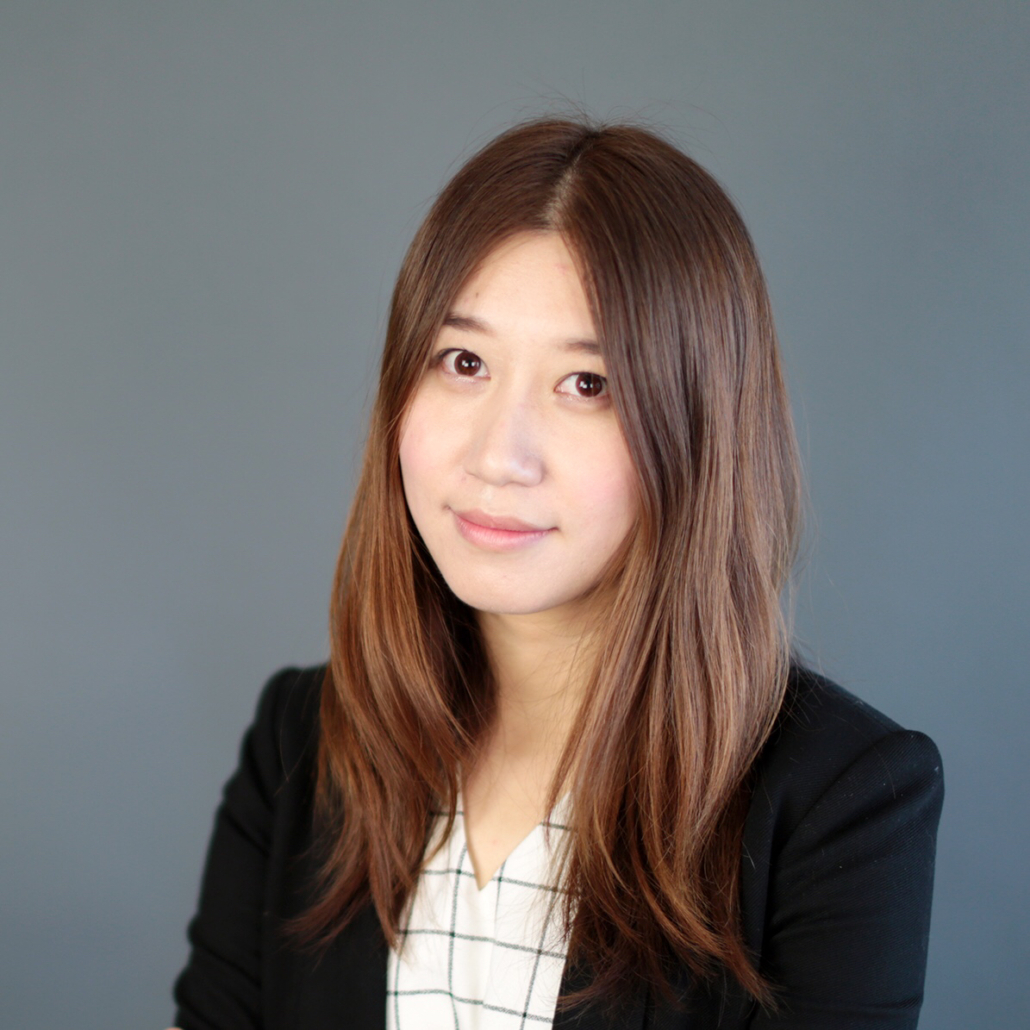
Yang Yang
Yang Yang is an architectural historian and co-director of cityLAB, a research center in the Department of Architecture at UCLA. Her research examines housing, spatial justice, and how community-engaged history and design can expand local agency in shaping the built environment. She holds a Ph.D. in Architecture from UCLA, an M.Eng. in Urban Planning from Tongji University, and an M.S. in Urban Design from Technische Universität Berlin. Her recent publications include “Framing the Commons: Starting Small” (Routledge, 2025) and “From the Inside Out: China’s Post-Socialist Housing Reform” (Routledge, 2024). In Altadena’s post-fire recovery, Yang has led Black history exhibitions and collective mapping initiatives, co-taught a graduate course titled Spatial Justice and the City, and developed the Walking Altadena collaborative archival project with the Altadena Historical Society.
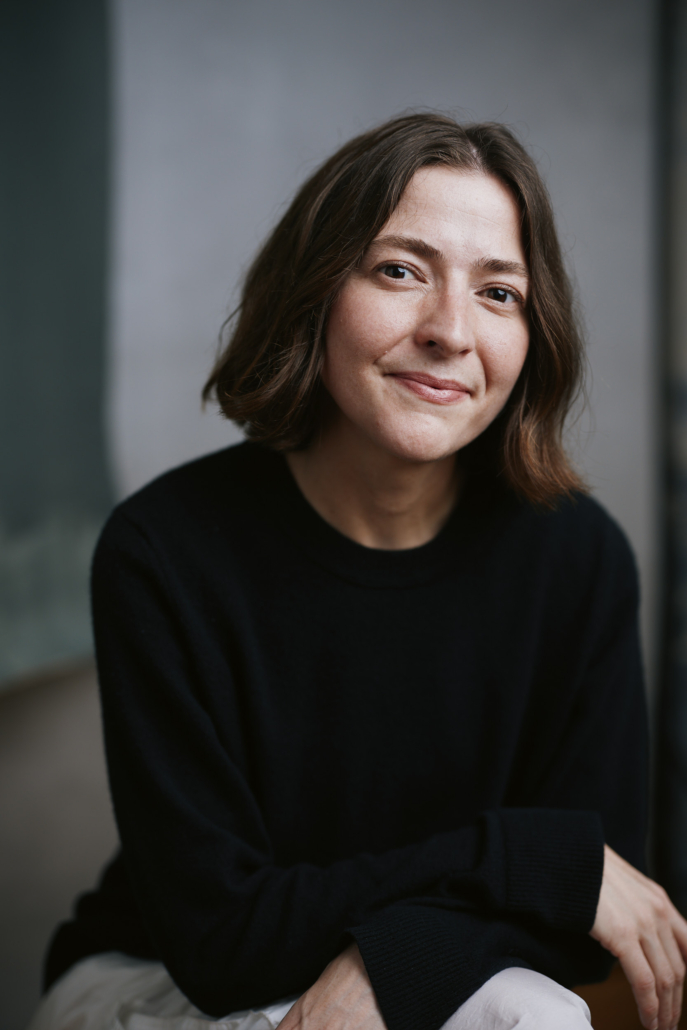
Claire Nelischer
Claire is an urban planning researcher and practitioner and research manager with cityLAB-UCLA, where she leads community-engaged research and teaching efforts related to equity in the urban public realm. Claire‘s work engages interdisciplinary practices to investigate the production, design, and experience of urban public space, and includes projects related to urban park production and governance, intergenerational public space, and youth mobility justice. Her research has been published in the Journal of Urban Design, the Journal of Planning Education and Research, Planning Theory and Practice, and others. Claire holds a PhD in Urban Planning from UCLA and is the former Associate Director of UCLA’s Urban Humanities Initiative, an interdisciplinary research and pedagogical effort.
Sevan Writers’ House: A Virtual Monument Zone
This project attends to the “monument zone” of the Sevan Writers’ House, an iconic monument to lost visions of futurity. Designed from 1935-63 by architects Gevorg Kochar and Mikayel Mazmanyan on the shore of Armenia’s Lake Sevan, the Writers’ House was envisioned as a site for commemorating and cultivating Armenian cultural practice in dialogue with writers and artists from across the globe, but has since fallen into a state of disrepair. This project invites contemporary cultural practitioners to activate the histories of the Sevan Writers’ House and develops policy recommendations for digital cultural heritage preservation of the site as a “virtual monument zone” — one that extends beyond the materiality of the building complex itself, encompassing the intangible forms of cultural practice that its architecture sought to foster. The project asks: how does engagement with the Armenian modernist monument of the Sevan Writer’s House enable us to reignite cancelled futures in West Asia—particularly amid geopolitical precarity, economic instability, and the rearticulation of both urban and rural space as sites for extractive data infrastructure and luxury tourism? Put otherwise, the project asks how we might bring the histories of this Armenian modernist monument to bear upon the present while projecting alternative futures.
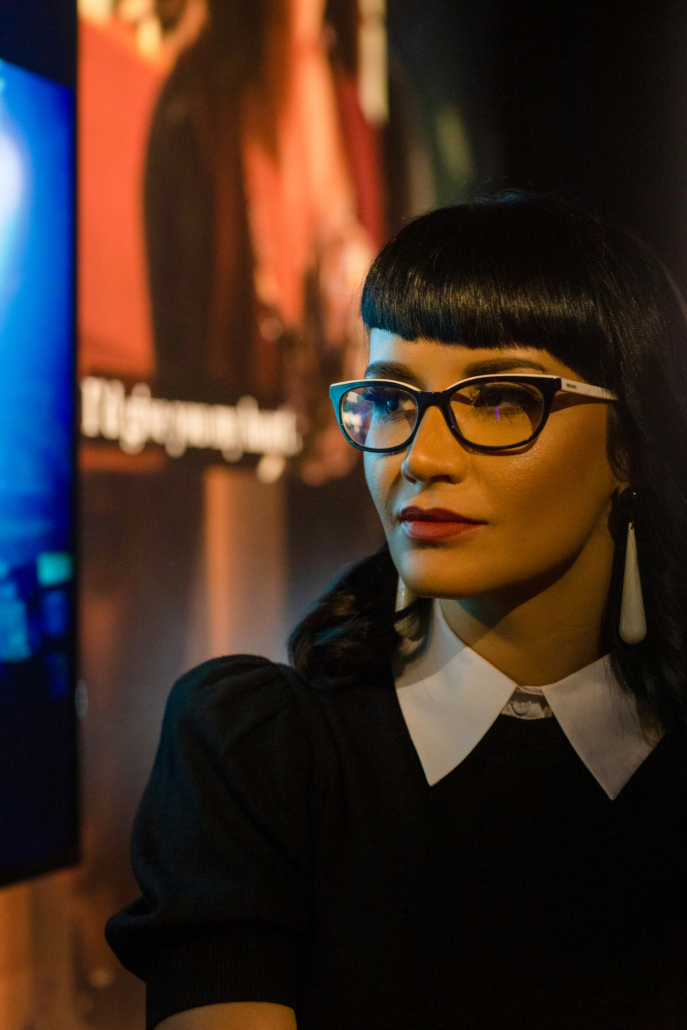
Mashinka Firunts Hakopian
Mashinka Firunts Hakopian is an Associate Professor of Gender Studies and Digital Humanities at UCLA. She earned her Ph.D. in History of Art at the University of Pennsylvania. She is a 2025-27 Fellow at the Vera List Center for Art and Politics (New School) and a 2024-25 Visiting Research Fellow at Cambridge Visual Culture (Cambridge University). She is the author of The Institute for Other Intelligences (X Artists’ Books, 2022). Her creative projects, performances, and collaborations have been presented at the Centre Pompidou, REDCAT, the New Museum, the Palais de Tokyo, Massachusetts Museum of Art (MASS MoCA), the 2024 Asian Art Biennial at the National Taiwan Museum of Fine Arts, and elsewhere.
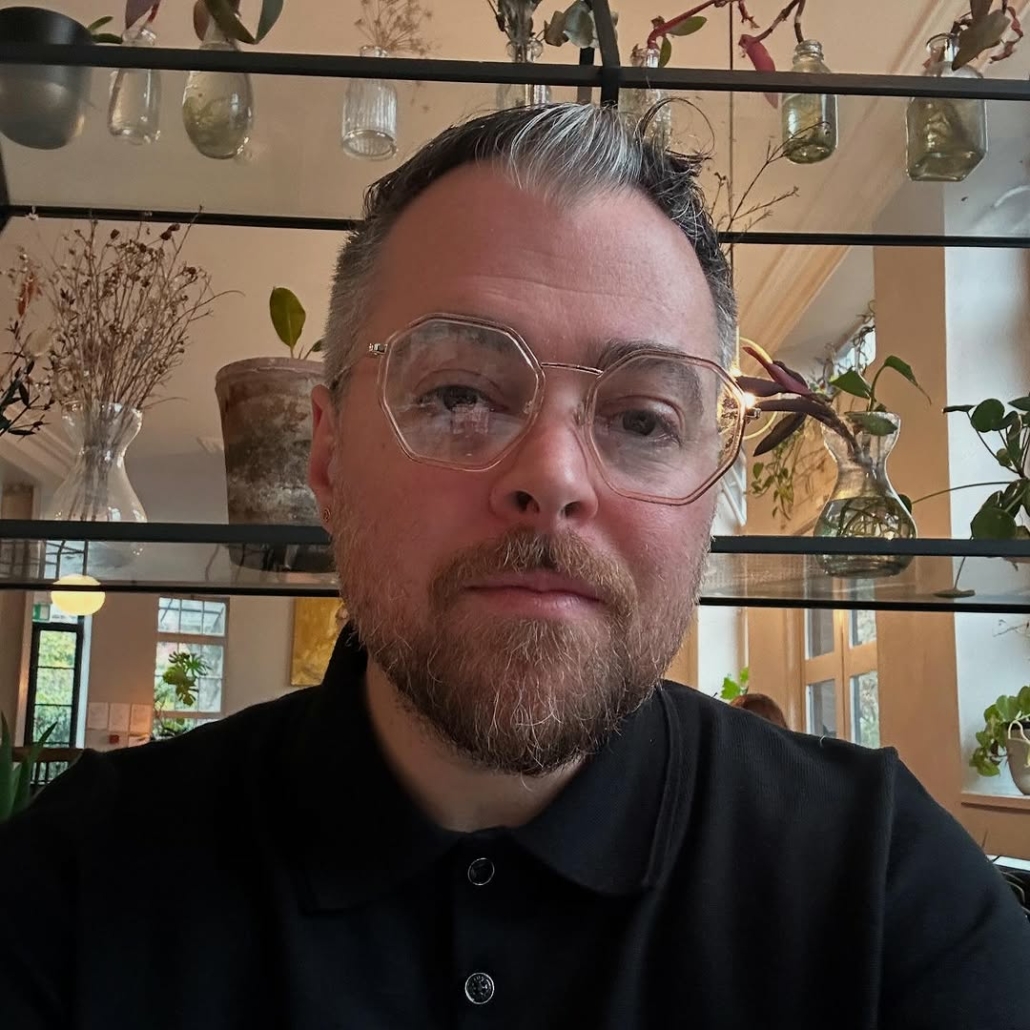
Daniel Scott Snelson
Daniel Scott Snelson is a writer, editor, and archivist working as an Associate Professor in the Departments of English and Design Media Arts at UCLA, where he serves as faculty for the Digital Humanities, the Laboratory for Environmental Narrative Strategies, and the UCLA Game Lab. His online editorial work can be found at PennSound, Eclipse, UbuWeb, Jacket2, and the EPC. Published books include Elden Poem (Hysterically Real, 2022), Full Bleed: A Mourning Letter for the Printed Page (Sync, 2019), Apocalypse Reliquary: 1984-2000 (Monoskop, 2018), Radios (Make Now, 2016), EXE TXT (Gauss PDF, 2015), Epic Lyric Poem (Troll Thread, 2014), and Inventory Arousal with James Hoff (Bedford Press/Architectural Association, 2011). His recently published book, The Little Database: A Poetics of Media Formats (University of Minnesota Press, 2025), examines the networked afterlives of media-reflexive works of art and letters in search of contingent methods for reading ordinary digital collections.
The Political Economy of Confederate Monuments: From Construction to Removal
Confederate monuments were erected in two main waves: a large one between roughly 1900 and 1930, and a second in the 1950s and 1960s, as school desegregation and Black enfranchisement became imminent. This project asks what these monuments were built to do, and what follows from their removal. The team will combine historical records of monument construction with data on neighborhood segregation to identify the political conditions that produced the second wave and to estimate its lasting effects. In addition, the team will examine the removals that have taken place since 2015, measuring their consequences for local housing markets and whether those consequences differ in predominantly Black and predominantly white neighborhoods. A survey experiment tests how people respond to monuments today, and together the findings bear on decisions that cities and state legislatures now face about whether to remove, relocate, or protect the monuments that remain.
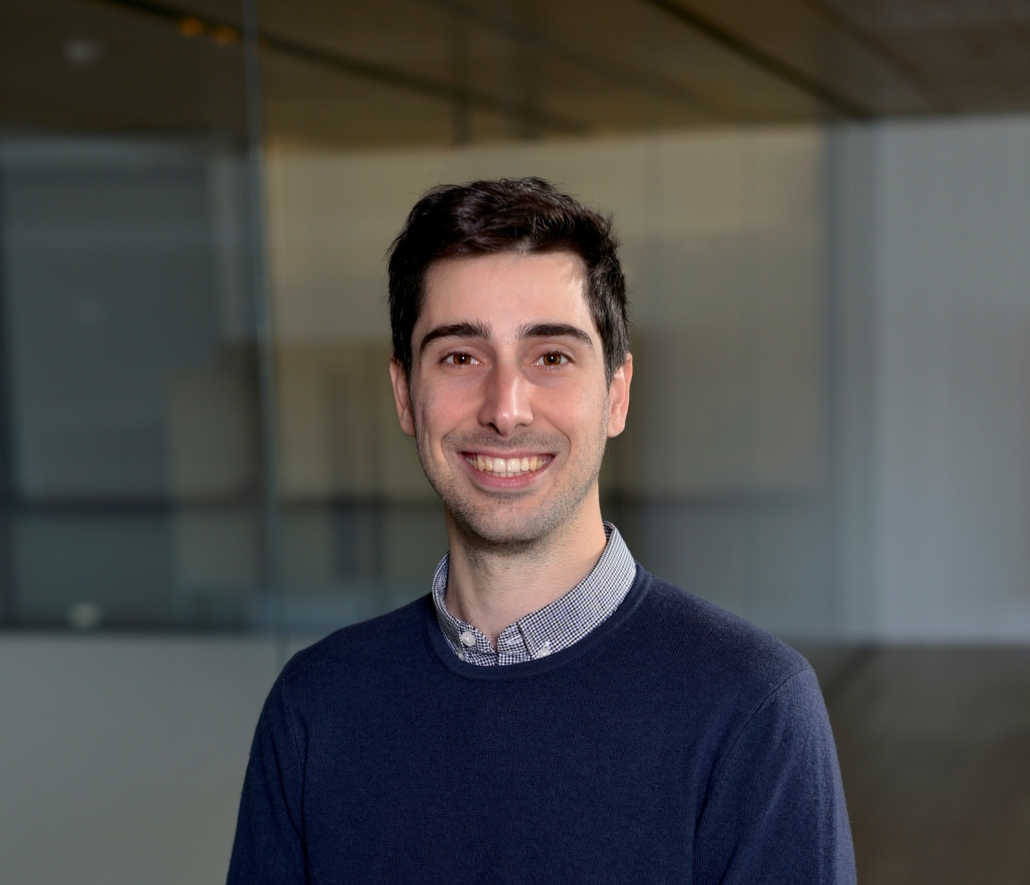
Carlo Medici
Carlo Medici is an applied microeconomist working in political economy, economic history, and labor economics. His research asks how large economic and demographic shocks reshape institutions such as labor unions, immigration law, and the public sector, and how these institutions in turn allocate economic and political opportunity across groups. He studies these questions with quasi-experimental methods and original data assembled from archival and administrative sources. He is currently an Assistant Professor in the Department of Public Policy at the UCLA Luskin School of Public Affairs. Before joining UCLA, he was a Postdoctoral Research Associate at Brown University. He received his Ph.D. from Northwestern University in 2024 and holds a B.Sc. and M.Sc. from Bocconi University. His work is forthcoming in the Journal of Political Economy.
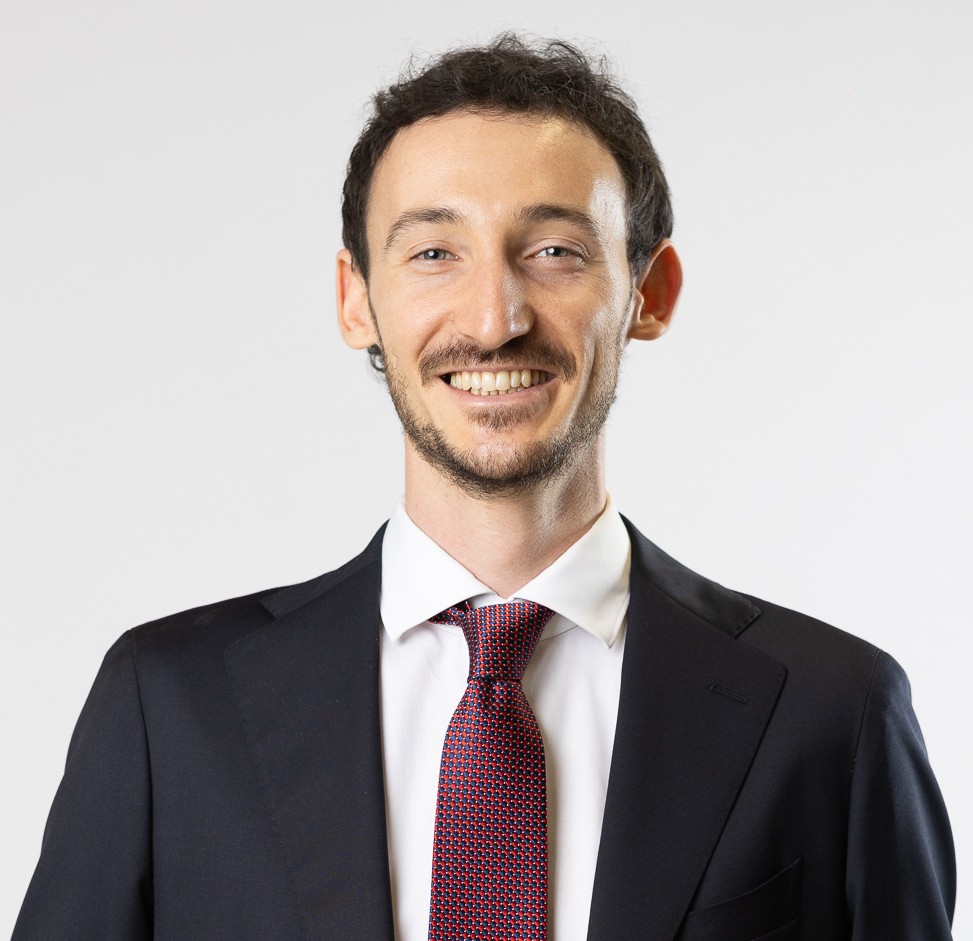
Francesco Ferlenga
Francesco Ferlenga is an applied microeconomist with research interests in the fields of Political Economy, Public Finance, and Economic History. His research investigates how electoral institutions shape electoral competition, how different social groups react to ideological monuments, and the factors that facilitate cross-group integration in diverse societies. He is currently an Assistant Professor (Serra Húnter Fellow) in the Department of Economics and Economic History at the Universitat Autònoma de Barcelona. He is affiliated with the Barcelona School of Economics (BSE), the Barcelona Institute of Economics (IEB), and the Centre for Competitive Advantage in the Global Economy (CAGE). He was previously a Postdoctoral Research Fellow at the University of Warwick and holds a PhD from Brown University. He has published his research in leading economic journals such as the Journal of Public Economics and the Journal of the European Economic Association.
The 605 Freeway as a Monument of Displacement: (Re)membering the Whittier Community of Jimtown
Established in 1848 by Pío Pico and known as Jimtown by 1910, this colonia was one of many segregated communities across the old Citrus Belt of the San Gabriel Valley and Inland Empire. Lacking basic infrastructure and deliberately isolated from Whittier’s civic core, Jimtown was labeled an “urban blight” and identified as a site for urban renewal when the 605 Freeway was routed directly through it in. Led by a team of Whittier locals, two of whom have family who once lived in Jimtown, this project reframes that freeway as a monument to the decisions of the city’s past and the displacement they caused. Drawing on precedents like Pasadena’s reparative use of the 710 corridor and Santa Monica’s Belmar Park initiative, the team argues that recovering a community’s honest history can engage youth, empower residents to view current policy agendas through the context of their shared past, inform civic leaders as they navigate modern issues like development, immigration, and labor, and supply the evidence that makes material redress possible. Through oral history interviews, an ArcGIS Story Map built on HOLC surveys and historical data, and a public-facing report to the City of Whittier, the project reconstructs Jimtown’s history, delivering it back to the community through a local curriculum and the public library. The work carries particular urgency, as residents voice the same anxieties about the proposed LA Metro Eastside Transit Corridor extension that once accompanied the 605’s construction.
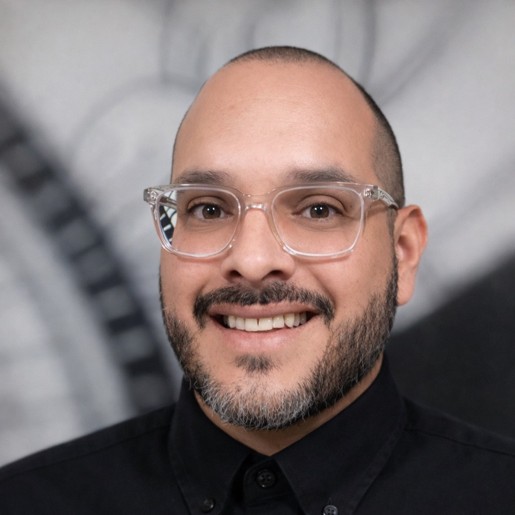
Danny Diaz
Danny Diaz, Ed.D., is the Director of the UCLA History-Geography Project at Center X and a former history teacher in Los Angeles and the San Gabriel Valley. He has 25 years in K-12 public education, spanning classroom teaching, professional learning, curriculum design, and public history programming. As Director, he builds partnerships with archives, museums, and cultural organizations that deepen teachers‘ historical knowledge and connect K-12 and higher education. That work includes the Lost LA Curriculum Project with PBS SoCal, the Belmar History+Art Project with the City of Santa Monica, and IE Stories: Teaching Local Narratives in K-12 Classrooms with A People’s History of the IE. Most recently, he partnered with the Getty Research Institute to turn the archives of architect Paul R. Williams into classroom-ready curriculum, giving Los Angeles students a way to see Williams‘s impact on their own neighborhoods. Diaz’s work is grounded in the belief that history can both engage and empower youth to make sense of their world and take part in civic and community change. He currently leads the UCLA Young Leaders program at Center X, helping youth understand city planning through the lens of local history and environmental justice and equipping them to redesign their communities to address current challenges and the deep-rooted causes behind them.
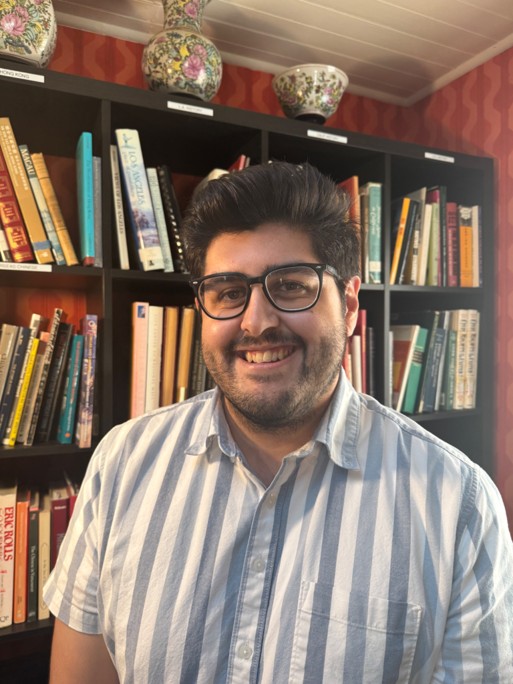
Aramis Sandoval
Aramis Sandoval is a recent graduate of UCLA’s Master of Library and Information Science program, where he specialized in archival studies. Through the program, his interest in local history and cultural heritage preservation led him to explore topics such as community-based archives, digital preservation, and preservation of heritage materials. Aramis has worked on a variety of archival projects, including processing the Annie Soo Hoo Leung collection at the Chinese Historical Society of Southern California, digitizing audio tapes for the Southern California public radio show “AirTalk with Larry Mantle,” and making records more accessible by transcribing correspondence from the Durkee-Blackden Family Correspondence collection held at California State University, Fullerton University Archives and Special Collections.
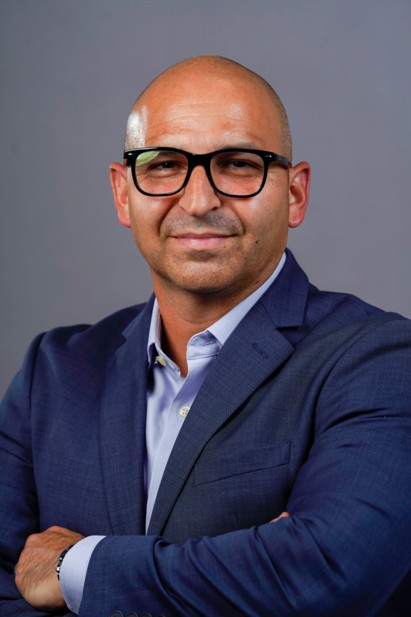
Jerry González
Jerry González joined St. Mary’s University in San Antonio, Texas in 2025 as the O’Connor Chair in the History of Hispanic Texas and the Southwest and the inaugural Director of the Center for Mexican American Studies.
His first book, In Search of the Mexican Beverly Hills: Latino Suburbanization in Postwar Los Angeles was published in 2018 by Rutgers University Press. It contributes to an emergent conversation about the inherent diversity of suburban America and the historiographical and historical reassessment of suburban places. His new book project is titled Remember San Jacinto: Mario Cantú and Global Chicano Radicalisms in the Twentieth Century. The work centers on Mario Cantú, a restaurateur, activist, ex-incarcerated, who embodied the transition in San Antonio and south Texas from the cultural nationalist inspired actions of the Chicano Movement to a more capacious vision of sin fronteras that centered the struggles of undocumented peoples.
He received his PhD from the University of Southern California in 2009.
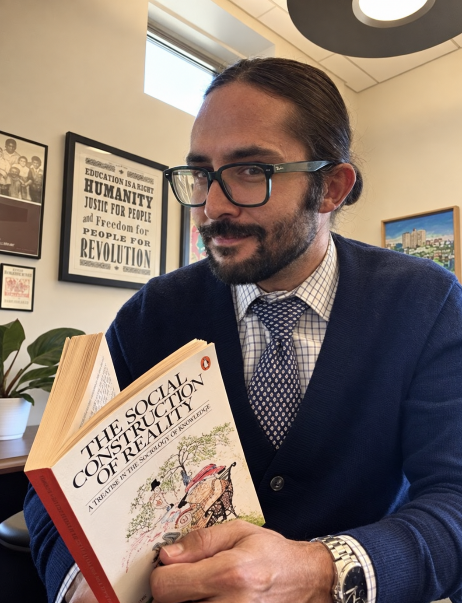
Mike Garabedian
Mike Garabedian is Dean of the Library and Learning Support Services at Río Hondo College, an instructor in San José State University’s MLIS program, and a doctoral student in Information Studies at UCLA. His research interests include print culture and the history of printing; archival theory and interpretation; shared print collections; and the future of physical books in undergraduate libraries. His dissertation examines periodicals produced by incarcerated minors at California’s Whittier State School from 1894 to 1951, asking how print culture mediated administrative authority and youth self-representation. Before joining Río Hondo as the director of the college library, he worked at Rare Book School at the University of Virginia, Heritage Book Shop, and Whittier College. A local historian and public library advocate, he is a board member and past president of the Whittier Public Library Foundation and has co-authored two books about the city:Whittier: Images of America (2016) and Whittier: A Postcard History (2023). He holds degrees from Whittier College, Northwestern University, and UCLA.
The Lifecycle of Monuments: A Comparative Policy Framework for the Governance of Public Memory
This project examines the full lifecycle of contested public monuments—from commissioning and contestation to removal and afterlife—to inform policy on how communities govern public debate, decision-making, and stewardship at each stage. Monuments pass through interconnected phases: shifting political climates reshape their meaning, civic institutions and social movements negotiate their legitimacy, formal processes or public protest determine removal, and subsequent choices about preservation, storage, relocation, or reuse shape their afterlife. Rather than treating these as separate scholarly problems, the project frames them as successive stages of a single institutional process, offering a comparative framework for analyzing monuments as aesthetic objects of public policy. The result shifts the central question from whether monuments should stand to how democratic societies can govern them across changing political contexts.
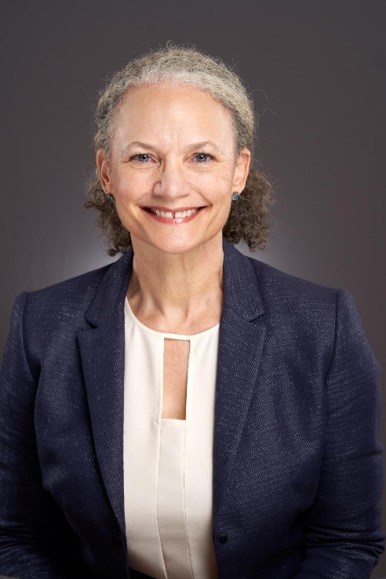
Caroline Streeter
Caroline A. Streeter is Associate Professor of English and African American Studies at UCLA. She teaches classes in literature, film, visual art and popular culture. She received her B.A. in Feminist Studies from Stanford University and Ph.D. in Ethnic Studies from UC Berkeley. She has published essays in The Multiracial Experience, New Faces in a Changing America, Black Cultural Traffic and The Iconic Obama. Her book Tragic No More: Mixed Race Women and the Nexus of Sex and Celebrity (University of Massachusetts Press), examines literary and visual representations of women of black and white descent in the United States. Professor Streeter has given lectures on gender, visual art, media and popular culture at the California African American Museum, and the Hammer Museum. Professor Streeter’s recent research focuses on social media discourses and the male mulatto figure in U.S. American culture, from Barack Obama to Jeremy Meeks - “the hot felon.”
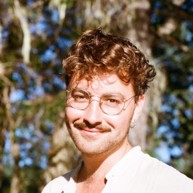
Jasper Sattentau
Jasper Sattentau is a second-year PhD student in the Department of English at the University of California, Los Angeles, working at the intersection of postcolonial studies, memory studies, and literary sociology. His research examines the representation of colonialism, race, and class in contemporary historical fiction, film and visual culture. He is currently researching discourse on postcolonialism and representations of colonial memory in post-2020 German cultural production. Jasper previously studied at the University of Glasgow and McGill University, and works as a translator and copyeditor in the German film and television industry.
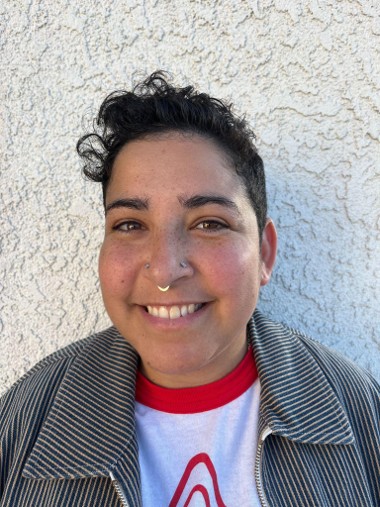
Laine Barriga
Laine Barriga (they/them) is a second-year graduate student in the English department at UCLA. Their research interests include 19th and 20th century African American literature, Caribbean history and literature, theories of the archive, Black print culture, and creole cultures with a particular emphasis on New Orleans, Louisiana. They are currently wrapping up work on a research project examining literature by second generation Creole migrants from Louisiana to Los Angeles who interrogate similar and sometimes diverging articulations of what it means to be Creole in the diaspora. Laine previously studied Comparative Literature at San Francisco State University. They strongly believe in the humanities and its ability to foster and inspire critical thinking.
Considerations for Renaming Caltrans Facilities
What names the State of California gives to its roadways, bridges, tunnels, intersections, and other facilities says much about the values and aims policymakers have for the transportation system. This project will synthesize how major institutions choose to name and rename their facilities; explore and characterize, through historical research and automated classifications, the groups of people for whom the California Department of Transportation (Caltrans) has named its facilities; and offer suggestions for how to approach facility renaming. The project has the potential to offer a path for Caltrans not just to reevaluate the names of specific facilities—changing them from ones that potentially alienate or demean the diverse users of the state’s transportation network to ones that uplift representative exemplars—but also to change the principles and systems by which it names all facilities.
Read more:
- https://its.ucla.edu/project/considerations-for-renaming-caltrans-facilities/
- https://its.ucla.edu/
- https://its.ucla.edu/people/staff/jacob-wasserman/
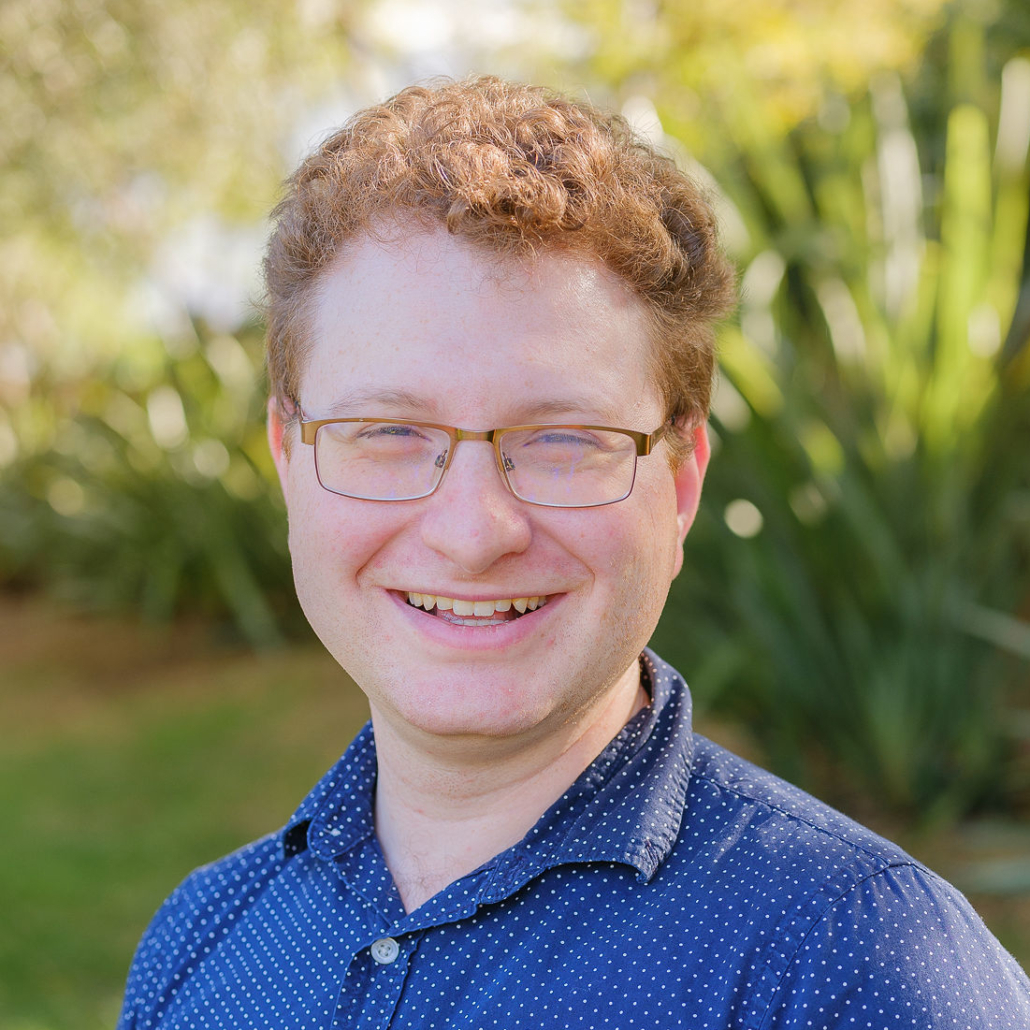
Jacob L. Wasserman
Jacob L. Wasserman is a Research Program Manager at the UCLA Institute of Transportation Studies. He studies and manages research on public transit, the intersection of transportation and other social issues, and a range of mobility questions. With a background in transportation equity, finance, and demand management, Wasserman serves as the lead scholar of ITS’ Public Transit research program. Prior to joining ITS, he worked for the Cities of Los Angeles, San Francisco, and New Haven and Bay Area Rapid Transit Director Lateefah Simon. Wasserman has a Master of Urban and Regional Planning degree from the UCLA Luskin School of Public Affairs.
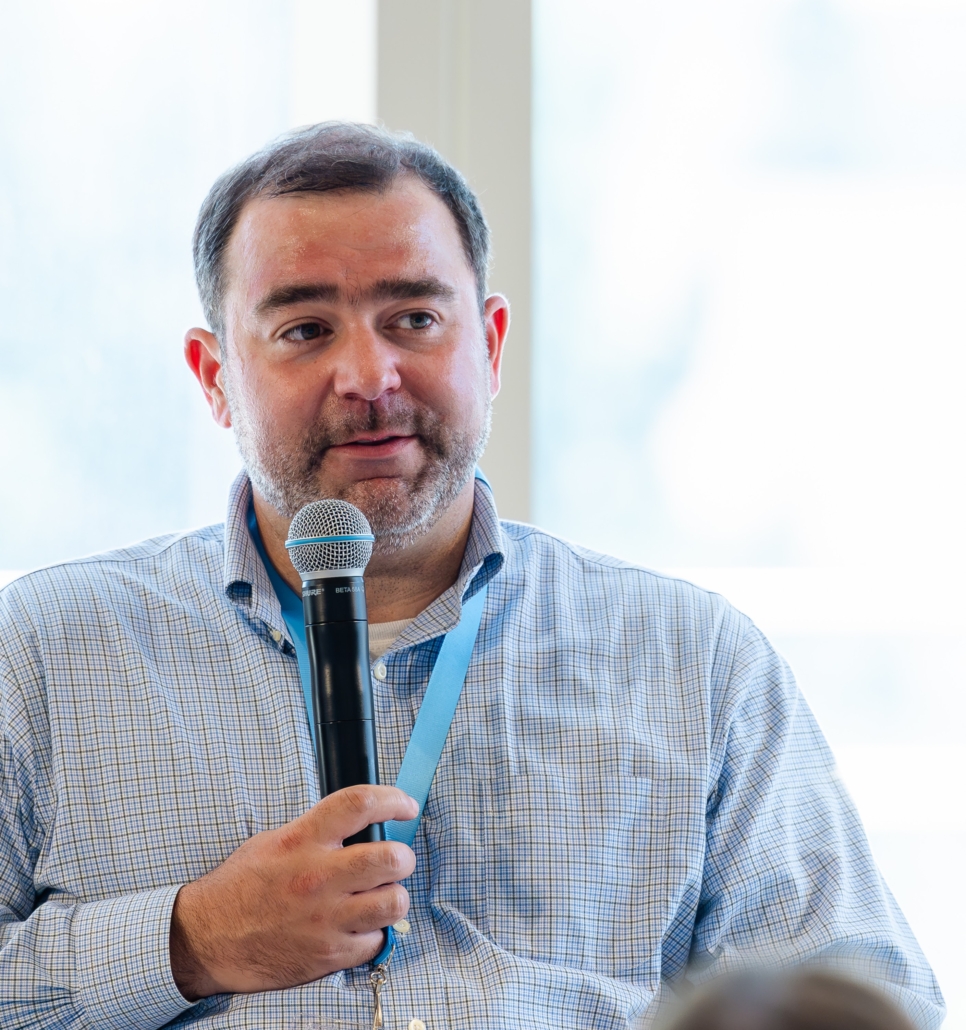
Juan Matute
Juan Matute is the Deputy Director of the UCLA Institute of Transportation Studies, where he manages the institute’s professional researchers and support staff. He is a leading expert on California transit, funding, and transportation policy. For years, Matute has connected university research with real-world transport decisions. Deeply involved in state policy, he was appointed to the California Transit Transformation Task Force in 2023.
At UCLA, Matute has taught graduate courses on urban planning and environmental laws, including the California Environmental Quality Act. He has also served on civic boards, including Downtown Santa Monica, Inc. and the Santa Monica Audit Subcommittee.
Juan holds an MBA and a Master’s in Urban Planning from UCLA, and a Bachelor’s degree from Pomona College. He lives in Santa Monica with his family, where they regularly walk, bike, and use transit.
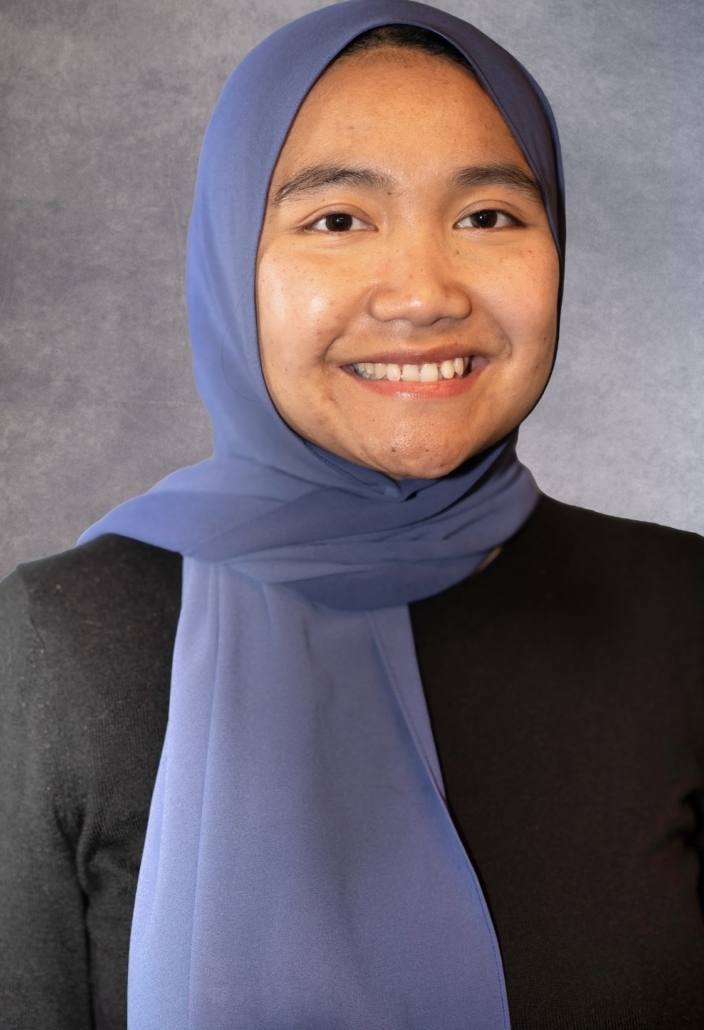
Firdausi Sudarmadji
Firdausi Sudarmadji is a Master’s of Urban and Regional Planning student at UCLA, concentrating in Transportation Planning and Policy. She has her B.A. in Geography with minors in GIS and City Planning from UC Berkeley. She is currently an intern at SCAG in the Mobility Planning and Goods Movement team. Before attending UCLA, she worked at BAE Urban Economics as an Analyst and as a Planning Intern at the City of Lafayette. During her time at UC Berkeley, she worked as a research apprentice at the UC Berkeley Archaeobotanical Lab.